This Season
Career Compass Season 2: Career Confidence in a Changing World, Protecting Your Future in the Age of AI and Ageism
 Something has shifted in the American workforce
— and millions of people feel it.
The job security that once defined a corporate career has quietly eroded. AI is rewriting job descriptions faster than most professionals can adapt. Ageism is pushing experienced workers out the door before they're ready to go. And the traditional path — the one that promised stability in exchange for loyalty — is no longer delivering on that promise.
So what do you do when the career you built your life around stops working for you? That's exactly the question Season 2 of Career Compass was made to answer.
It's about giving yourself permission to ask better questions — and having the right guide in your corner when you do.
Your next chapter is closer than you think.
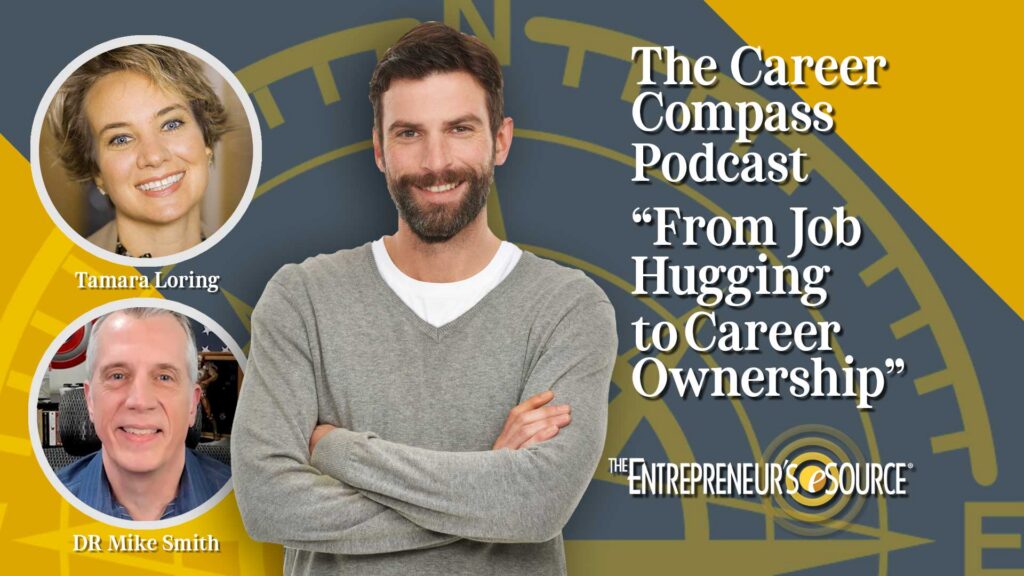
Season 2, Episode 01: From Job Hugging to Career Ownership:
Exploring the gap between what we know is possible and what we’re afraid to pursue.
New national data reveals a stunning gap between what people believe about Career Ownership — and what fear is stopping them from doing about it.
Learn how to get the most out of working with a Career Ownership Coach.
Season 2, Episode 01 Excerpts.
Check out some highlights from this episode
Learn how to get the most out of working with a Career Ownership Coach.
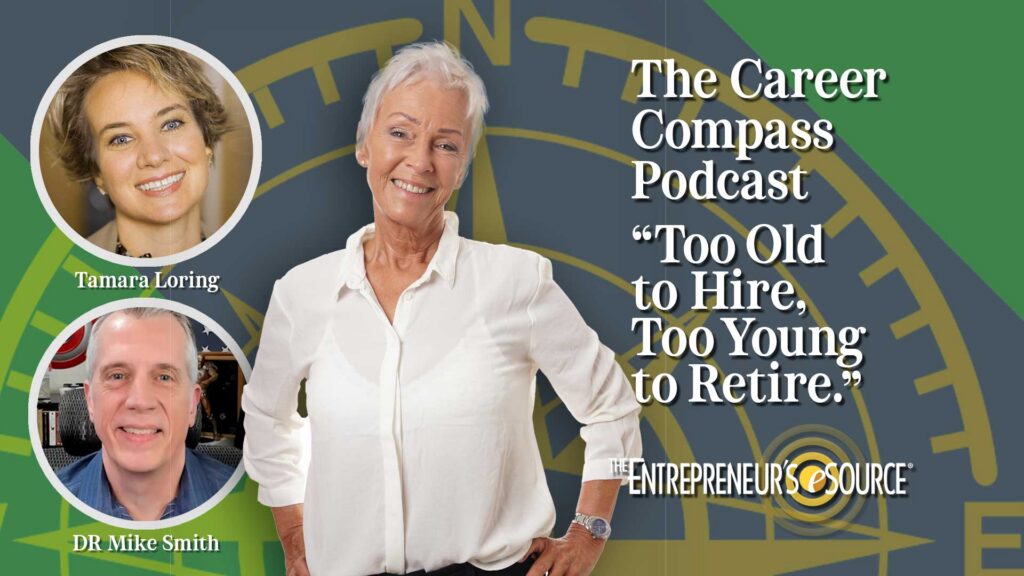
Season 2, Episode 02: Too Old to Hire, Too Young to Retire:
Exploring why decades of hard-earned experience can feel like a liability — and how to make it your greatest competitive advantage.
Ageism in the workplace is creeping earlier than ever, pushing skilled professionals in their 40s, 50s, and 60s to question their future. But what if the experience you've been conditioned to downplay is actually the key to your best career chapter yet?
Read: "The Career Compass Blog Articles"
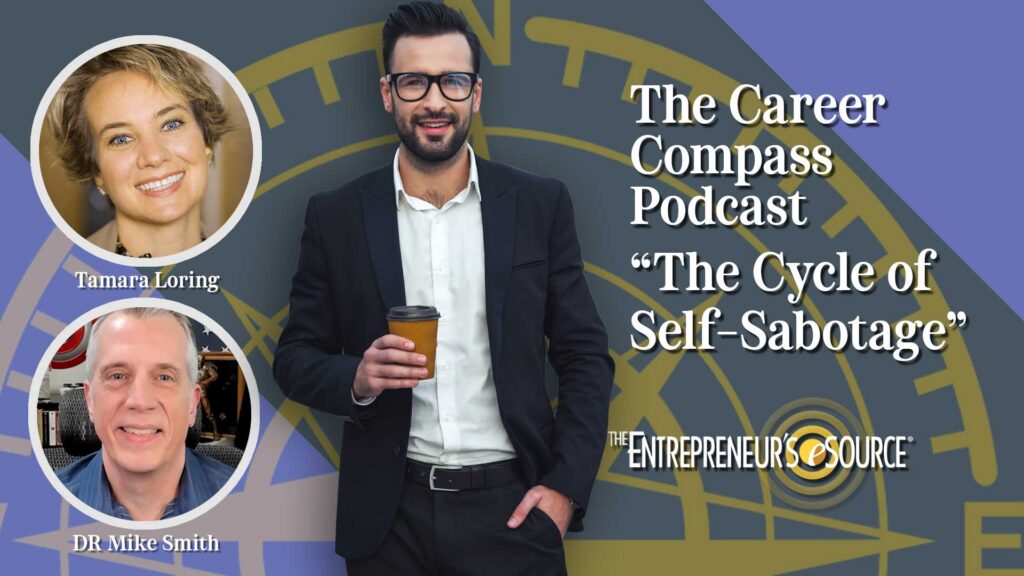
Breaking Free from Self-Sabotage: Overcoming Negative Thinking
In this pilot episode of Career Compass, host Tamara Loring and guest Dr. Mike Smith talk about…
Last Season
Watch the First Ten Episodes
Episode 01: "Breaking the Cycle of Self-Sabotage in Your Career"
In this pilot episode of Career Compass, host Tamara Loring and guest Dr. Mike Smith talk about self-sabotage and negative thinking. "How to Stop Self-Sabotage and Embrace Your True Potential."
Are You Sabotaging Your Own Career?

Learn how to get the most out of working with a Career Ownership Coach.
Episode 02: Battered Career Syndrome and the Search for Fulfillment:
Is It Time for a Change?

Learn how to get the most out of working with a Career Ownership Coach.
Episode 03: Setting Goals With Purpose: How to Design a Life You Actually Want
Explore the importance of clearly defining personal Income, Lifestyle Wealth and Equity goals. Discuss how these goals serve as a foundation for making informed career decisions and finding fulfillment.
Does Your Current Career Align with Your Goals?

Episode 04: The Corporate Comfort Zone: When to Stay and When to Go
Evaluating the pros and cons of corporate careers, assessing alignment with personal goals, and knowing when to consider new opportunities. Tune in to learn about the pros and cons of corporate America, and why discomfort is actually a good thing!
"When to Leave Your Corporate Role"?

Episode 05: Rethinking Risks: Why Staying Safe Might Be Your Biggest Gamble
Why do risks feel so paralyzing? How can we reframe them as stepping stones to growth? Tamara Loring and Dr. Mike Smith examine how fear, mindset, and perceived failure influence our willingness to adopt change. From gut-driven decisions to the power of intentional baby steps, they share practical insights for turning risks into catalysts for resilience, transformation, and success.
When Avoiding Risk Becomes Too Risky?

Episode 06: The Comparison Trap: Defining Success on Your Own Terms
Did you know that 60% of adults gauge their worth by others? Tamara Loring and Dr. Mike Smith tackle the “infamous” comparison trap – from its origins and far-reaching impacts on both your career and personal fulfillment. They explore the different phenomena that keep us stuck, exacerbated by social media, and touch upon the Career Revolution’s Five Steps to Finding Your Primary Aim. Learn how to build a comparison-proof career and the life of your dreams.
"Define Success on Your Terms."

Episode 07: Overcoming Limiting Beliefs: Challenging the Stories That Hold You Back
Is your mindset quietly holding you back from career growth and fulfillment? Or is it something worth paying attention to because it helps you reach the next level?
In this episode, Tamara Loring and Dr. Mike Smith explore the subtle ways that limiting beliefs, such as doubt and self-criticism, can hinder even the most ambitious professionals.
Tune in to discover practical advice and design your career and your life on your terms.
"What Stories Hold You Back?"

Episode 08: Guided by Experience: The Transformative Power of Career Ownership Coaching
Feeling stuck in your career or unsure of your next move? What if coaching could help you uncover what’s holding you back — and give you the clarity to move forward with confidence?
In this episode, Tamara Loring and Dr. Mike Smith dive into the transformative power of coaching, sharing personal stories, mindset shifts, and actionable insights to help you break free from limiting beliefs and take ownership of your future.
"Reimagine and Reclaim the Life of Your Dreams."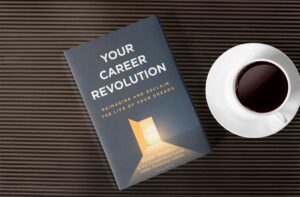
Episode 09: Continuous Growth: Cultivating a Lifelong Learning Mindset
Is your current mindset helping or hurting your career in a world that’s changing faster than ever? What if the secret to staying relevant and fulfilled isn’t more hustle — but a willingness to slow down, reflect, and grow?
In this episode, Tamara Loring and Dr. Mike Smith explore how embracing a life-long learning mindset can transform not just your career path, but your sense of purpose, direction, and well-being.
"Is Your Mindset Holding You Back?"

Episode 10: From Dreaming to Doing: Turning Possibilities Into Action
What if the clarity you’ve been waiting for only comes AFTER you take the first step? In this episode, Tamara Loring and Dr. Mike Smith explore why action – not overthinking – is the key to building confidence and momentum in your career.
Whether you’re starting something new or pivoting with purpose, this conversation will help you turn insight into real, forward-moving progress. In the grand finale of this 10-episode series, hosts Tamara Loring and Dr. Mike Smith discuss the importance of taking meaningful action.
"Are You Ready to Start Your
Own Career Revolution?"
 Let Us Help You Find Your Way Forward.
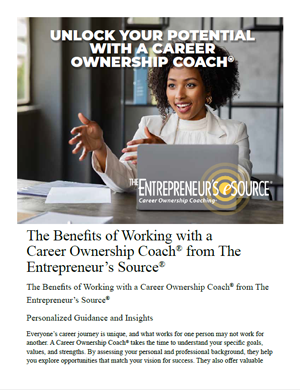
As our gift to you, when you fill out our form we will have a live coach call you back, and we'll send you the Entrepreneur's Source report on "The Benefits of Working with a Career Ownership Coach™", just to get you started; all at no cost to you! Ever.
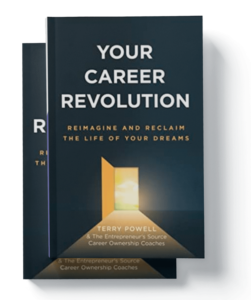
CLICK HERE! Read the first chapter of:
"Your Career Revolution" A guide to Reimagining and Reclaiming the Life of Your Dreams!