
The Rise of HIFIs

The Rise of HIFIs: High-Income, Financially Insecure Individuals
A new acronym has entered the financial lexicon: HIFIs. Short for High-Income, Financially Insecure individuals, HIFIs represent a growing demographic that struggles with maintaining a balance between their income and lifestyle aspirations. Predominantly comprised of millennials and Gen Zers, these individuals seek to exude wealth and success but often find themselves ensnared in the trap of lifestyle creep.
According to a report by Bain & Co. published in January 2023, millennials and Gen Zers were responsible for a staggering 22% gain in luxury spending in 2022. This statistic underscores the high spending habits of these generations, driven by a desire to keep up with social expectations and personal aspirations of success.
Understanding the HIFI Phenomenon
Although people under 40 accumulate wealth earlier in life than previous generations, 48% of Gen Zers and 59% of millennials feel behind financially, according to a Credit Karma survey of 1,006 US adults published in December.
Lifestyle creep refers to the gradual increase in discretionary spending as income rises. For HIFIs, spending on luxury items, dining out, vacations and other non-essential goods and services grows disproportionately compared to their savings and investments. This often leads to a precarious financial situation in which they remain financially insecure despite earning a high income.
The reasons behind this phenomenon are multifaceted:
Social Media Influence: Social media’s pervasive influence creates an environment where millennials and Gen Zers feel pressured to display a particular lifestyle. The curated lives of influencers and peers set a high bar for personal success, driving these individuals to spend beyond their means to keep up appearances.
Delayed Financial Milestones: Many millennials and Gen Zers are delaying traditional financial milestones such as buying a home or starting a family. With fewer immediate financial obligations, they tend to allocate more of their disposable income towards lifestyle enhancements.
Economic Instability: The economic instability experienced during formative years, such as the 2008 financial crisis and the recent COVID-19 pandemic, has instilled a ‘live for today’ mentality. This mindset often translates into higher spending on experiences and luxury goods as a way to find immediate gratification.
The Unsustainable Spending Culture
 While pursuing a luxurious lifestyle can provide temporary satisfaction, it is often unsustainable in the long run. The constant need to keep up with escalating lifestyle standards can lead to:
Increased Debt: Many HIFIs resort to credit cards and loans to finance their lifestyle, leading to mounting debt and high-interest payments that further strain their financial health.
Lack of Savings: High spending rates often come at the expense of savings and investments. This leaves HIFIs vulnerable to financial emergencies and unprepared for long-term goals such as retirement.
Financial Stress: The continuous pressure to maintain a high lifestyle can lead to significant stress and anxiety, impacting overall well-being and mental health.
How a Career Ownership Coach® Can Help HIFIs
A Career Ownership Coach® can play a pivotal role in helping HIFIs balance their career and lifestyle goals, ensuring financial stability while achieving personal aspirations. Here’s how:
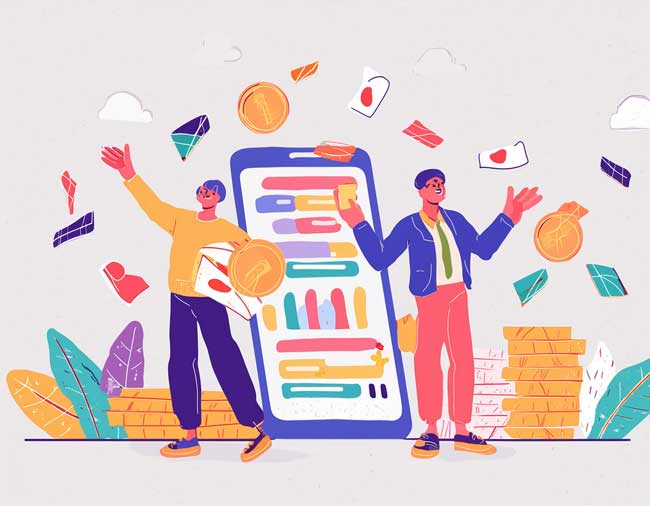 Goal Setting and Planning: Career Ownership Coaches® can assist HIFIs in setting realistic financial goals and creating actionable plans to achieve them. This includes short-term goals like finding the right career to support long-term objectives like building a retirement fund.
Career Advancement Strategies: By focusing on career development, coaches can help HIFIs identify opportunities for income growth through promotions, skill development, or career changes. Increased earning potential can provide more financial security and reduce reliance on debt.
Mindset Shifts: Career Ownership Coaches® can help HIFIs identify opportunities outside the traditional job market that they might not know existed. This can include freelance work, consulting, franchising and other avenues that support their lifestyle and offer a better life-work balance.
Conclusion
The emergence of HIFIs highlights a significant challenge many high-income individuals face today. While the desire to maintain a luxurious lifestyle is understandable, it often leads to financial insecurity and stress. By leveraging the expertise of a Career Ownership Coach®, HIFIs can achieve a balanced approach to their careers and lifestyles, fostering financial well-being and long-term success.
.
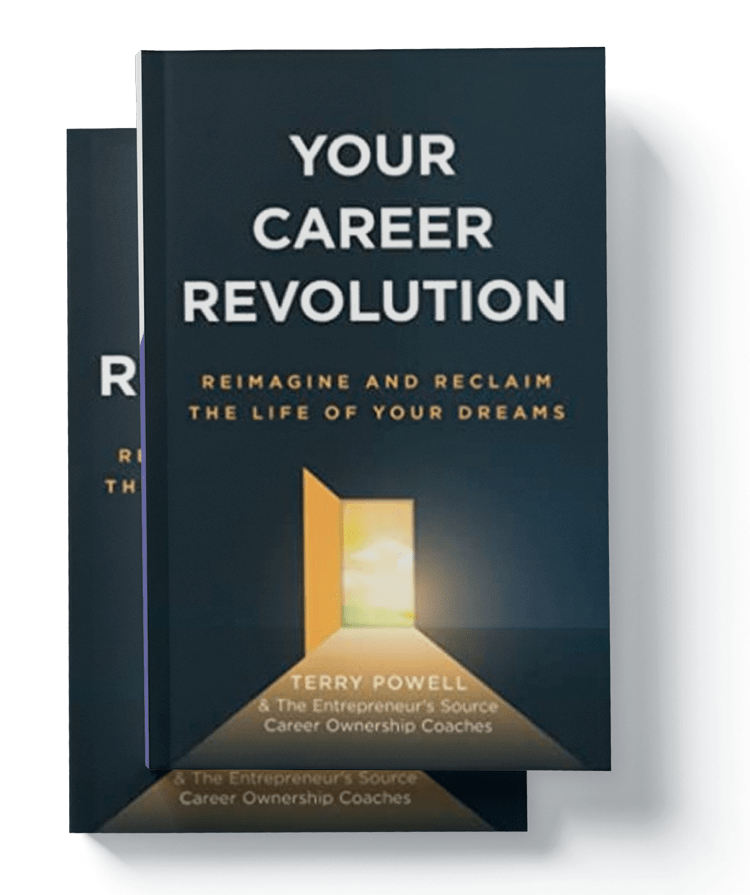 About Your Career Revolution
Our mission is to help individuals explore self-sufficiency as an alternative career.
We help them define their Income, Lifestyle, Wealth, and Equity goals and provide education on the best ways to achieve them. We don’t sell franchises – we help people achieve their dreams of self-sufficiency through business ownership. The approach is different, the experience is different. And it works.
Order on AMAZON
Learn More About Career Ownership Coaching®
If you are considering a career change, invest in yourself to discover your options, possibilities, and dreams. Chat with one of our coaches to begin your career revolution. To learn more about Career Ownership Coaching®, visit www.entrepreneursource.com or check out our guidebook, “Your Career Revolution: Reimagine and Reclaim the Life of Your Dreams.”
Watch Episodes on YouTube or Listen as a Podcast and more!

















Share this post:
Related Posts
Your Trusted Resource for Career Ownership Coaching™ for helpful hints, best practices, anything related to career ownership.
Reinvention Is a Skill.
For more and more people, getting back to work is no longer a straight path. Instead, it often means making a change. People are switching industries, learning new skills, finding different ways to earn money, and more often, starting their own businesses. Journalists now call this the reinvention economy.
The Age Stereotype
When people talk about age bias at work, the focus is usually on technology. Many assume that experience and adaptability cannot go together, and that the person who knows the most about the job is often seen as the least able to do it differently.
Change jobs. Change paychecks. Not who’s in control.
In March, a frontend developer with ten years of experience found out his company was closing. He had a wife and a two-year-old son. A few months before, he tried to find a second job but had little luck. He already knew enough about the programming job market to understand what he was facing.