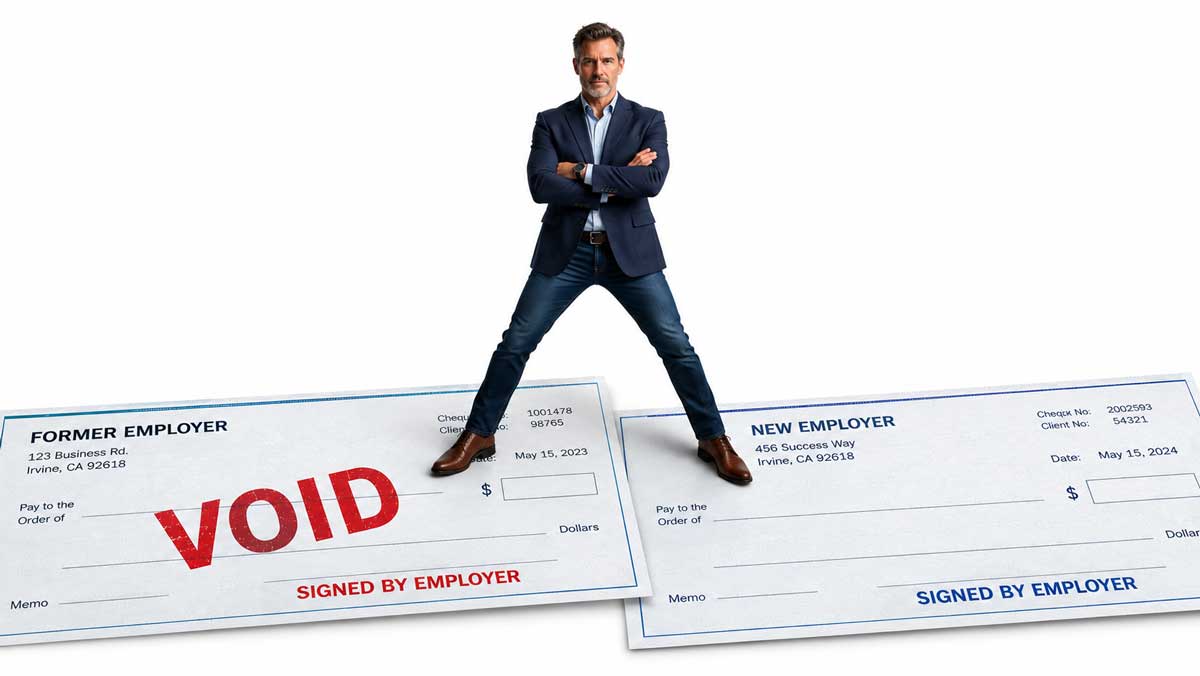
Change jobs. Change paychecks. Not who’s in control.
A developer noticed the risks ahead, planned early, and made a careful move out of tech
He remains an employee, and that detail is key to his story.
In March, a frontend developer with ten years of experience found out his company was closing. He had a wife and a two-year-old son. A few months before, he tried to find a second job but had little luck. He already knew enough about the programming job market to understand what he was facing.
So, he did something most people don’t do. He started planning before his paychecks ended.
He looked into trades like electrician, plumber, HVAC, and CNC machining. He thought about the physical demands, remembering a construction job he had at twenty that left him exhausted every day. Eventually, he found a middle ground in civil site design. He called it “baby blue-collar” work: mostly office tasks using AutoCAD, a skill he learned in high school, with some site visits. His new manager said the field needed more people and that AI was not a threat yet.
He got the job. When asked if he would ever go back to tech, he laughed and said, absolutely not.
By most standards, this was a smart career move. He saw the risk, acted early, used a skill he already had, and found a stable job. Many people in his position don’t do as well.
What it cost, and what it didn’t change
 The new job meant a 30% pay cut. He also traded remote work for being in the office five days a week.
Those are real sacrifices, but he decided they were worth it. From the outside, it seems like a good choice. Still, it’s important to be clear about what he actually gained.
He swapped a job at risk from AI and layoffs for one that is less exposed to those threats. That’s a real improvement in his job security. Still, someone else decides his salary, his work location, and his schedule. Someone else will also decide if his job exists in five years. If things go wrong, he might have to start over again, but from a lower point.
Switching jobs changes who pays you, but it doesn’t change the fact that someone else is in control.
The distinction most people never draw
When work feels uncertain, most people do the same thing: look for a better job. That might mean a better industry, company, boss, or field. It’s the obvious choice, often the right one, and it can really improve your life.
But for most people, it’s the only option they ever learn about.
There is another option. Instead of asking who you work for, it asks whether the value you create goes to someone else or to you. This question is harder and takes more time than just updating your résumé. But it’s the only way to change the rules, not just the players.
What people are telling us
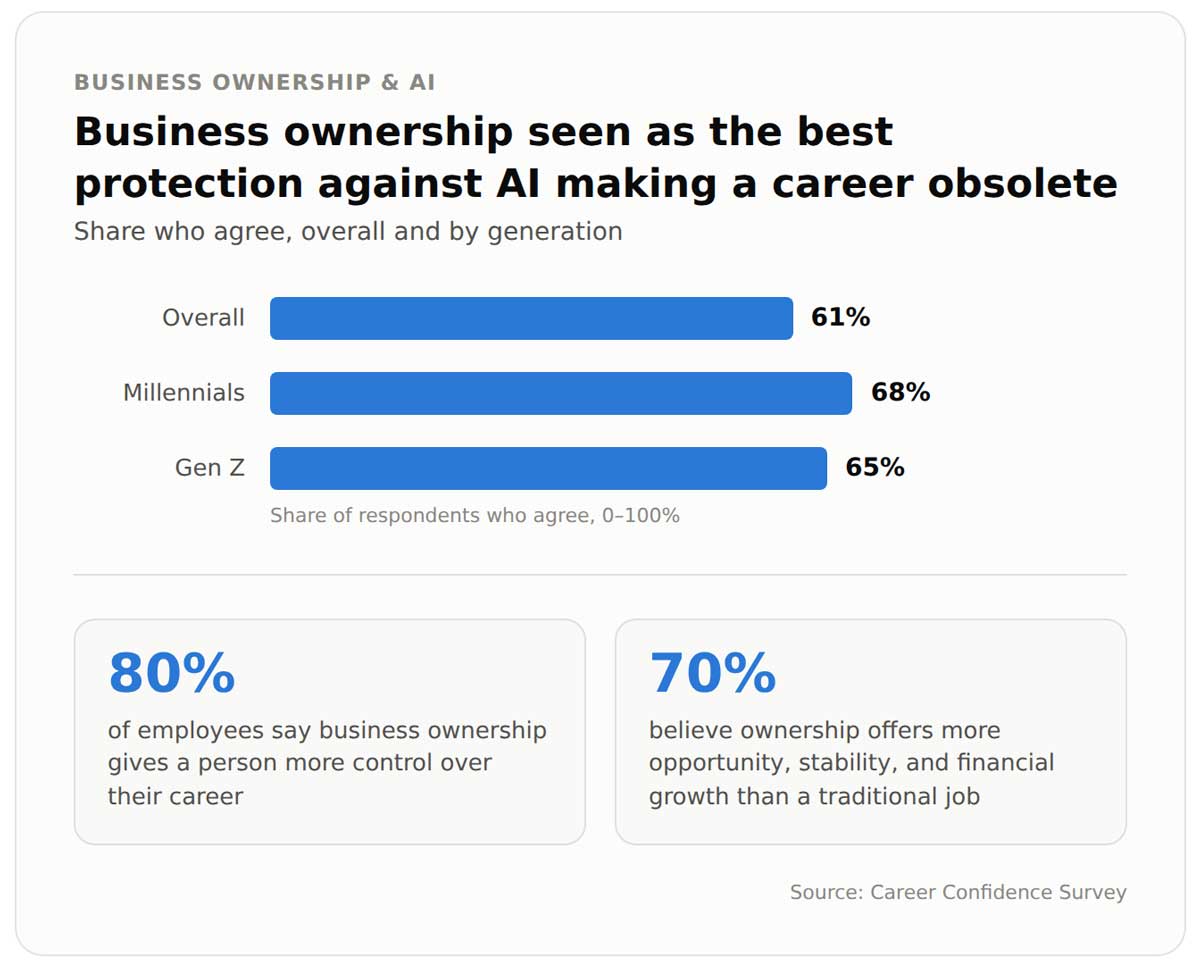 The TES Generational Career Confidence Survey shows that many people feel this way, even if they haven’t put it into words.
- 61% said they believe business ownership is the best protection against AI making a career obsolete, rising to 68% among Millennials and 65% among Gen Z.
- 80% of employees said business ownership gives a person more control over their career.
- 70% said they believe ownership offers more opportunity, stability, and financial growth than a traditional job.
 These are beliefs people have shared, not proven results. They don’t show that ownership really protects anyone. But they do show that many working adults are starting to ask deeper questions, even if most still choose the first option.
Where to start
The developer in this story doesn’t seem to have asked himself about ownership. There’s no sign that anyone suggested it to him. He might have thought about it and decided against it, which is a valid choice and different from never considering it at all.ork a Career Ownership Coach® does, asking what you need to earn, how you want to spend your days, what you’re building toward, and what you’ll own when you’re done. It’s an exploration, not a sales process, and it comes with no promises about outcomes. A meaningful number of people work through it and conclude that employment suits them, which is a valuable thing to establish deliberately rather than by default.
The point isn’t that changing jobs is a bad idea. It’s that most people only think about one of the two options, and they usually do it under pressure, with a deadline, when it’s hardest to think clearly.
Begin by taking the Career Threats Assessment to find out how at risk your current job might be.
If you want to think about this before your company forces the issue, reach out to a Career Ownership Coach®.
 About Your Career Revolution
Our mission is to help individuals explore self-sufficiency as an alternative career.
We help them define their Income, Lifestyle, Wealth, and Equity goals and provide education on the best ways to achieve them. We don’t sell franchises – we help people achieve their dreams of self-sufficiency through business ownership. The approach is different, the experience is different. And it works.
Order on AMAZON
Learn More About Career Ownership Coaching™
If you are considering a career change, invest in yourself to discover your options, possibilities, and dreams. Chat with one of our coaches to begin your career revolution. To learn more about Career Ownership Coaching™, visit www.entrepreneursource.com or check out our guidebook, “Your Career Revolution: Reimagine and Reclaim the Life of Your Dreams.”
Watch Episodes on YouTube or Listen as a Podcast and more!















Share this post:
Related Posts
Your Trusted Resource for Career Ownership Coaching™ for helpful hints, best practices, anything related to career ownership.

The Unemployment Rate Isn’t Telling the Truth
You have heard the headlines. Unemployment is around 4%. Economists call it "full employment." The job market, we are told, is strong. So why does your job search drag on for months?

After the Layoff
It usually begins the same way. You get a calendar invite with no details. Your manager avoids eye contact on the video call. Then you hear the words that suddenly make your career part of your past.

Rest alone won’t solve burnout if your job is the real issue.
You finally took a break. Maybe it was a long vacation, take some time between jobs, or even a full career pause. You caught up on sleep, unplugged, and started to feel like yourself again. But once you returned to work, the exhaustion crept back in within just a few weeks.